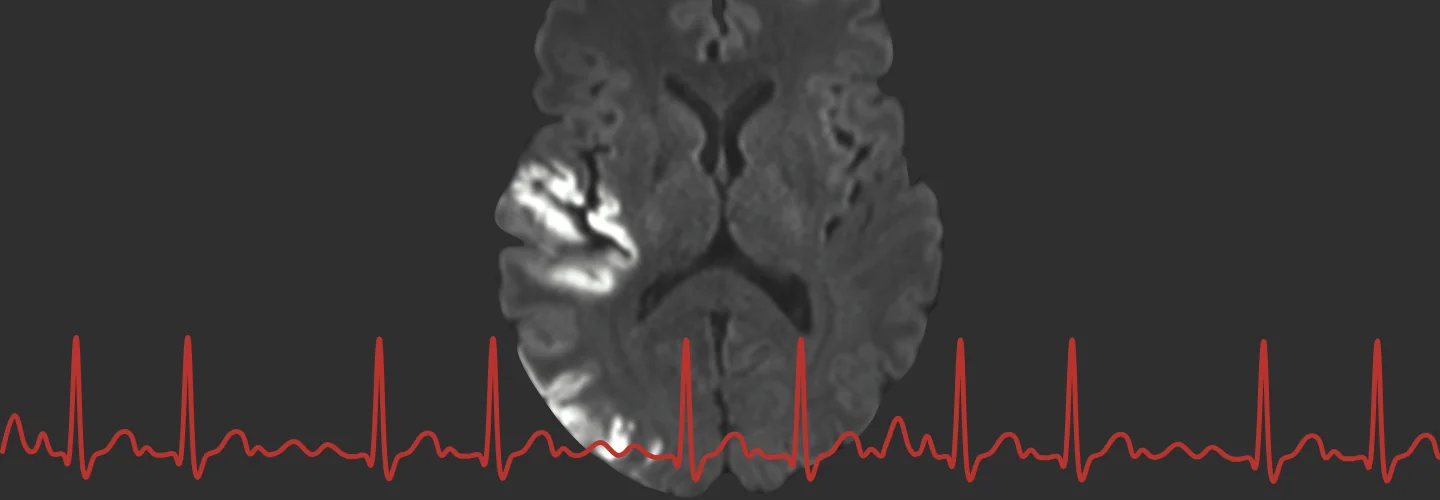
Our group - founded in 2018 with support from the Corona foundation – aims to study the crosstalk between brain and heart in patients with stroke.
We are an integrative research team located at the Center for Stroke Research Berlin and the Department of Neurology with Exp. Neurology at the Charité Universitätsmedizin Berlin, Germany.
We perform highly interdisciplinary research at the interface of neurology and cardiology, clinical epidemiology and cardiovascular imaging.
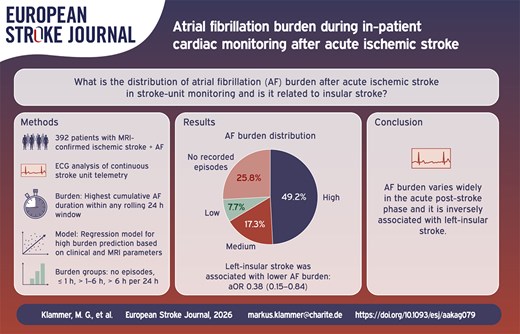
Spearheaded by Markus Klammer, the #brainheartlab published a new paper in the European Stroke Journal
In a retrospective cohort of 392 patients with MRI-confirmed ischaemic stroke and AF, we observed marked heterogeneity in AF burden during early in-hospital telemetry and identified three notable findings:
🧠 Insular laterality: Left insular infarction was associated with a lower likelihood of high AF burden, while right insular involvement showed a signal towards higher AF burden, supporting a role for hemispheric autonomic regulation (left insula = 🛑 ; right insula = 🌪️)
🕒 Circadian dynamics: First AF episodes clustered in the early evening, whereas early morning AF episodes were consistently least frequent
⚡ Early transient AF: Among patients with known stroke onset, almost half had AF detected only within the first 48 hours after stroke onset, highlighting the dynamic nature of AF during the acute phase (➡️ early transient neurogenic AF?)
Together, these hypothesis-generating findings suggest that integrating lesion location, circadian biology, and temporal AF dynamics may improve our understanding of AF after stroke and help inform future rhythm monitoring strategies.
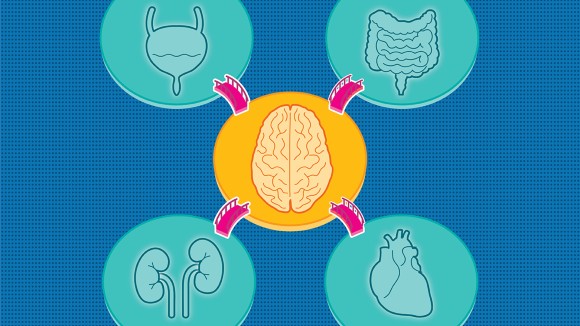
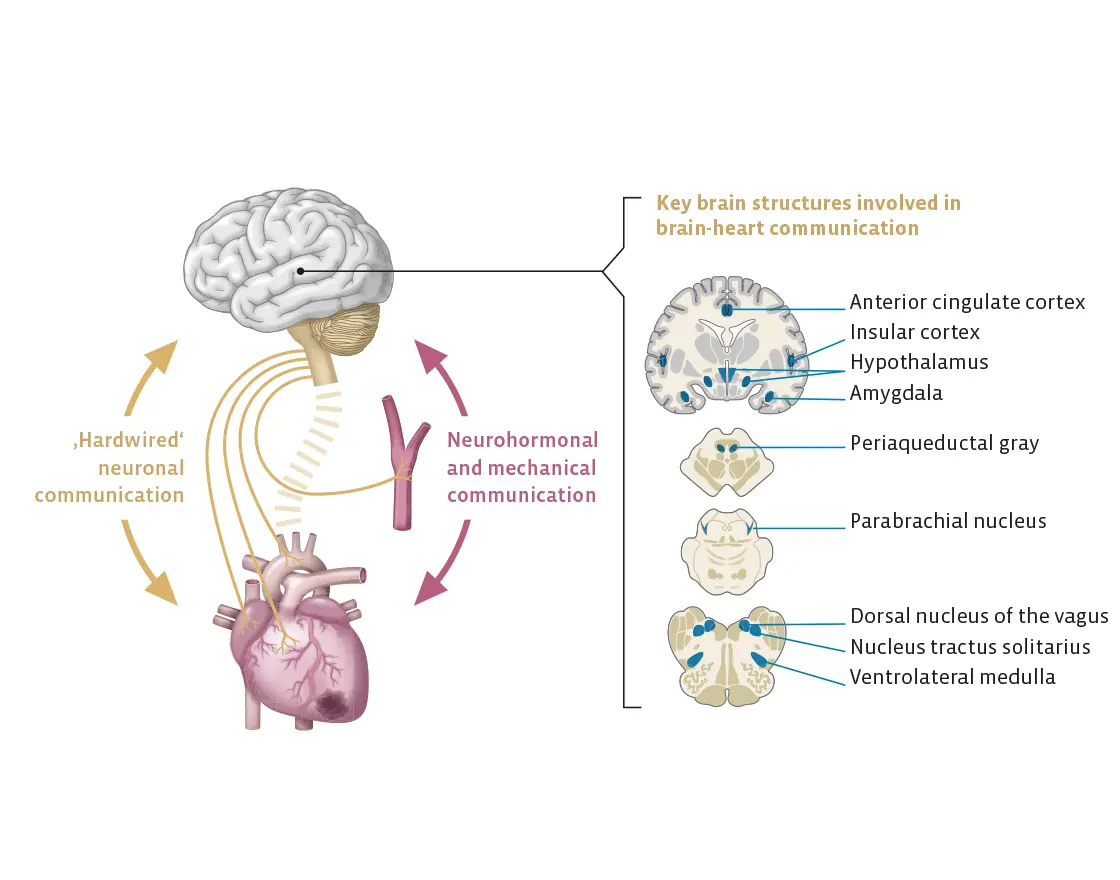
Bidirectional brain–heart interactions in health and disease
🔍 What this Review covers:
• Physiological brain-heart communication via neural, humoral, and mechanical pathways
• State-of-the-art methods to assess brain-heart interactions
• Clinical impact of disrupted brain-heart signalling across key conditions:
- Takotsubo syndrome (stress-induced cardiac dysfunction)
- Stroke–heart syndrome following acute ischaemic brain injury
- Cognitive impairment in cardiovascular diseases (e.g., heart failure, atrial fibrillation)
• The role of sex and gender differences in shaping these interactions
🤝 A call for deeper collaboration:
Our findings reinforce the need to move beyond siloed thinking. Advancing neurocardiology requires stronger, truly interdisciplinary collaboration across specialties and research domains.
💡 Key messages:
- A deeper understanding of the brain–heart axis is essential for improving diagnosis, risk stratification, and patient outcomes across cardiology and neurology
- Preserving brain health helps preserve heart health—and vice versa.
Access here: https://www.nature.com/articles/s41582-025-01180-w

