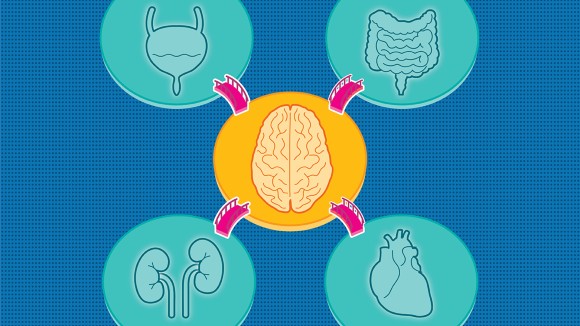
Bidirectional brain–heart interactions in health and disease
🔍 What this Review covers:
• Physiological brain-heart communication via neural, humoral, and mechanical pathways
• State-of-the-art methods to assess brain-heart interactions
• Clinical impact of disrupted brain-heart signalling across key conditions:
- Takotsubo syndrome (stress-induced cardiac dysfunction)
- Stroke–heart syndrome following acute ischaemic brain injury
- Cognitive impairment in cardiovascular diseases (e.g., heart failure, atrial fibrillation)
• The role of sex and gender differences in shaping these interactions
🤝 A call for deeper collaboration:
Our findings reinforce the need to move beyond siloed thinking. Advancing neurocardiology requires stronger, truly interdisciplinary collaboration across specialties and research domains.
💡 Key messages:
- A deeper understanding of the brain–heart axis is essential for improving diagnosis, risk stratification, and patient outcomes across cardiology and neurology
- Preserving brain health helps preserve heart health—and vice versa.
Access here: https://www.nature.com/articles/s41582-025-01180-w

