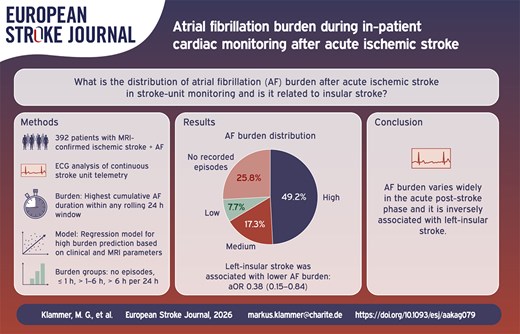
Spearheaded by Markus Klammer, the #brainheartlab published a new paper in the European Stroke Journal
In a retrospective cohort of 392 patients with MRI-confirmed ischaemic stroke and AF, we observed marked heterogeneity in AF burden during early in-hospital telemetry and identified three notable findings:
🧠 Insular laterality: Left insular infarction was associated with a lower likelihood of high AF burden, while right insular involvement showed a signal towards higher AF burden, supporting a role for hemispheric autonomic regulation (left insula = 🛑 ; right insula = 🌪️)
🕒 Circadian dynamics: First AF episodes clustered in the early evening, whereas early morning AF episodes were consistently least frequent
⚡ Early transient AF: Among patients with known stroke onset, almost half had AF detected only within the first 48 hours after stroke onset, highlighting the dynamic nature of AF during the acute phase (➡️ early transient neurogenic AF?)
Together, these hypothesis-generating findings suggest that integrating lesion location, circadian biology, and temporal AF dynamics may improve our understanding of AF after stroke and help inform future rhythm monitoring strategies.
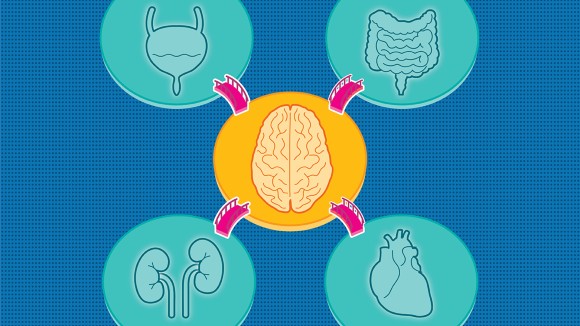
Bidirectional brain–heart interactions in health and disease
🔍 What this Review covers:
• Physiological brain-heart communication via neural, humoral, and mechanical pathways
• State-of-the-art methods to assess brain-heart interactions
• Clinical impact of disrupted brain-heart signalling across key conditions:
- Takotsubo syndrome (stress-induced cardiac dysfunction)
- Stroke–heart syndrome following acute ischaemic brain injury
- Cognitive impairment in cardiovascular diseases (e.g., heart failure, atrial fibrillation)
• The role of sex and gender differences in shaping these interactions
🤝 A call for deeper collaboration:
Our findings reinforce the need to move beyond siloed thinking. Advancing neurocardiology requires stronger, truly interdisciplinary collaboration across specialties and research domains.
💡 Key messages:
- A deeper understanding of the brain–heart axis is essential for improving diagnosis, risk stratification, and patient outcomes across cardiology and neurology
- Preserving brain health helps preserve heart health—and vice versa.
Access here: https://www.nature.com/articles/s41582-025-01180-w
New paper published!
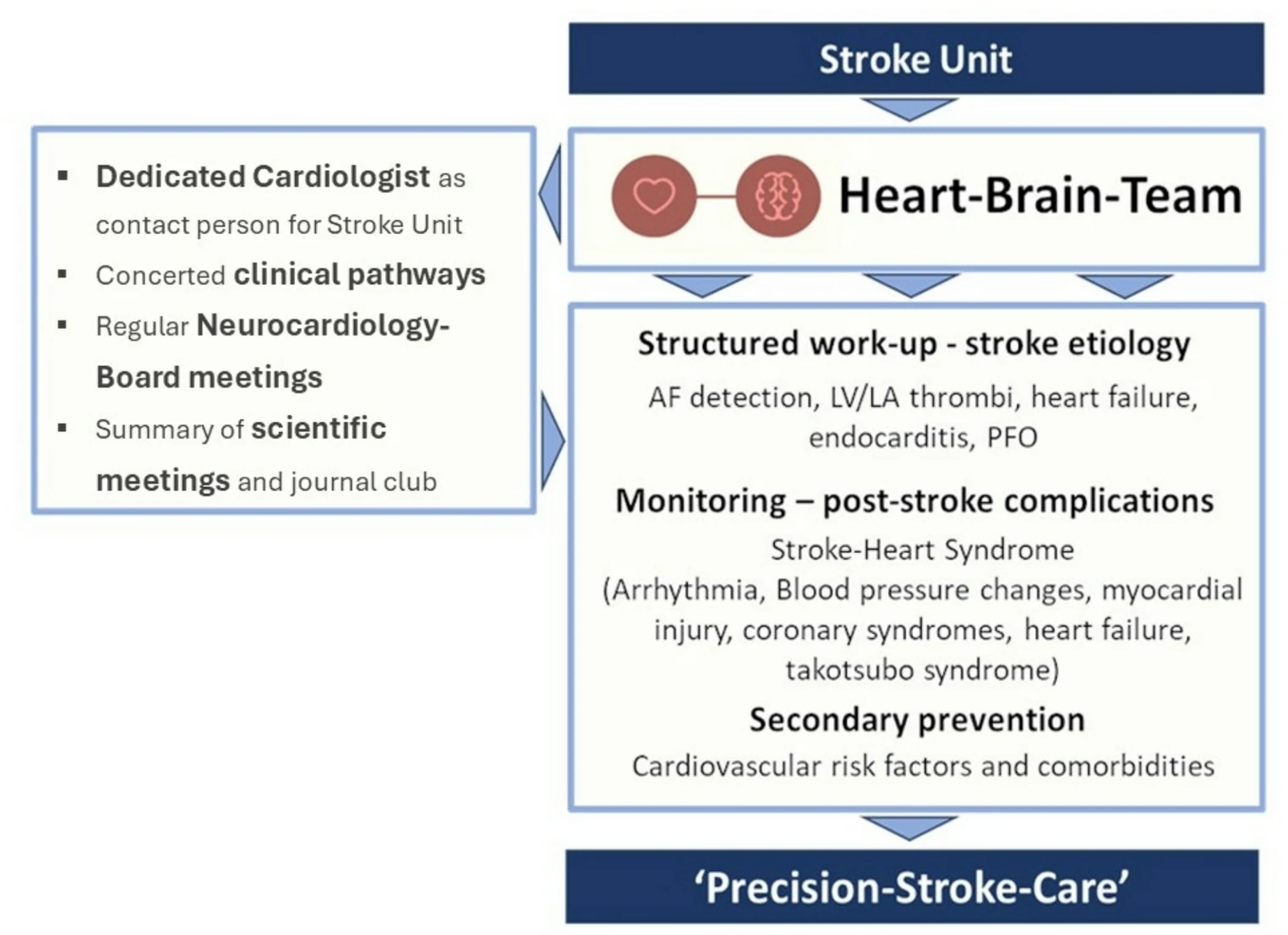
Our latest study, “Collaborative neurocardiology board meetings for decision-making in stroke care: a real-world experience,” is now out in Neurological Research and Practice. We report on four years of interdisciplinary neurocardiology board meetings, highlighting their role in structured, guideline-based decision-making for complex stroke cases.
Read the paper here.
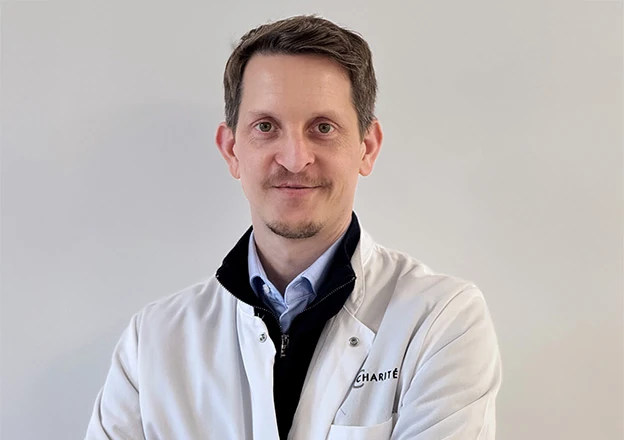
Since January 2026, our group leader Jan Scheitz has taken on the leadership role of the Trial Team at the Center for Stroke Research Berlin, opening up new opportunities to advance stroke research at the Charité and beyond.

In a great collaborative work led by Simone Lieschke for the TRISP and EVATRISP collaborators, we provide more data on the controversy how to treat stroke patients with basilar artery occlusion and mild to moderate clinical deficits (NIHSS<10).
Read the open access paper here
published in Stroke: Vascular and Interventional Neurology
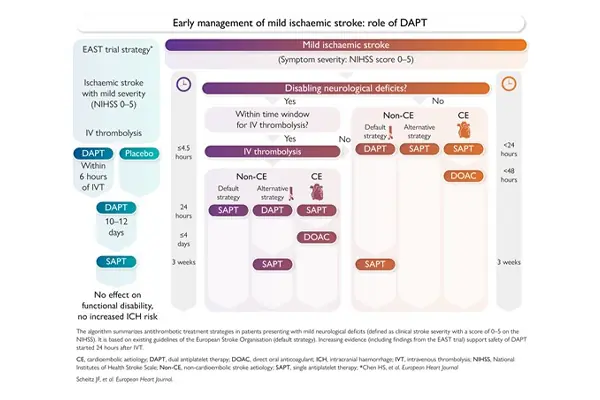
In a new Editorial published in the European Heart Journal, we provide an overview of early secondary prevention strategies in patients with mild ischemic stroke.
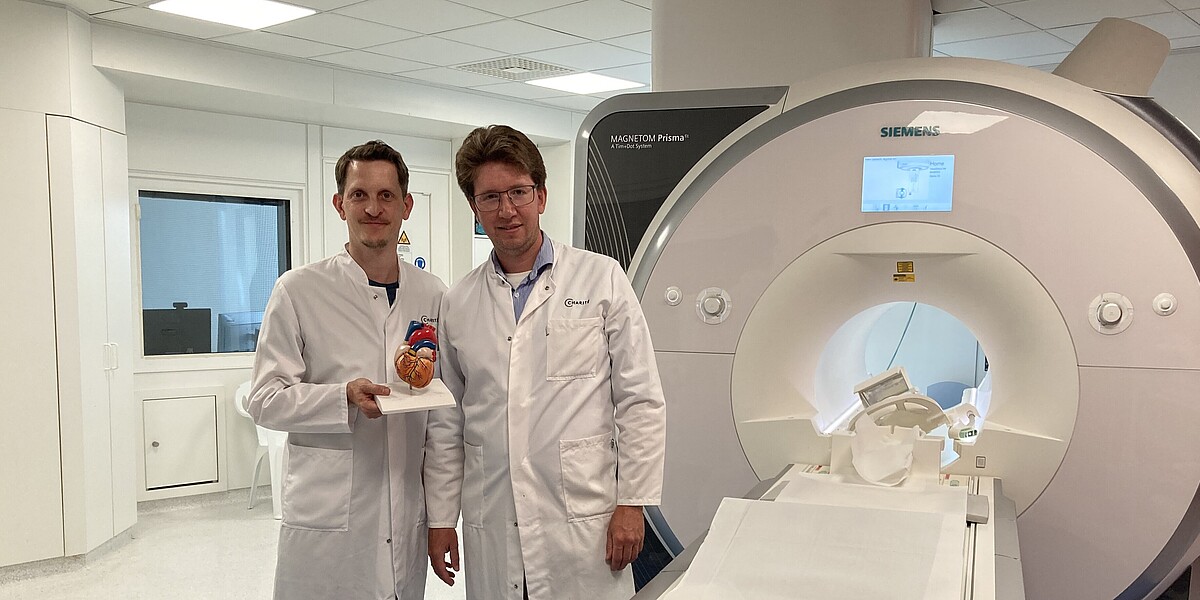
BrainHeartLab's very own PD Dr. med. Simon Hellwig was recently featured in the newsletter of the Berlin Institute of Health Newsletter with his new publication: Unrecognized Myocardial Fibrosis Detected by Contrast-Enhanced Cardiovascular MRI in Patients With Ischemic Stroke.
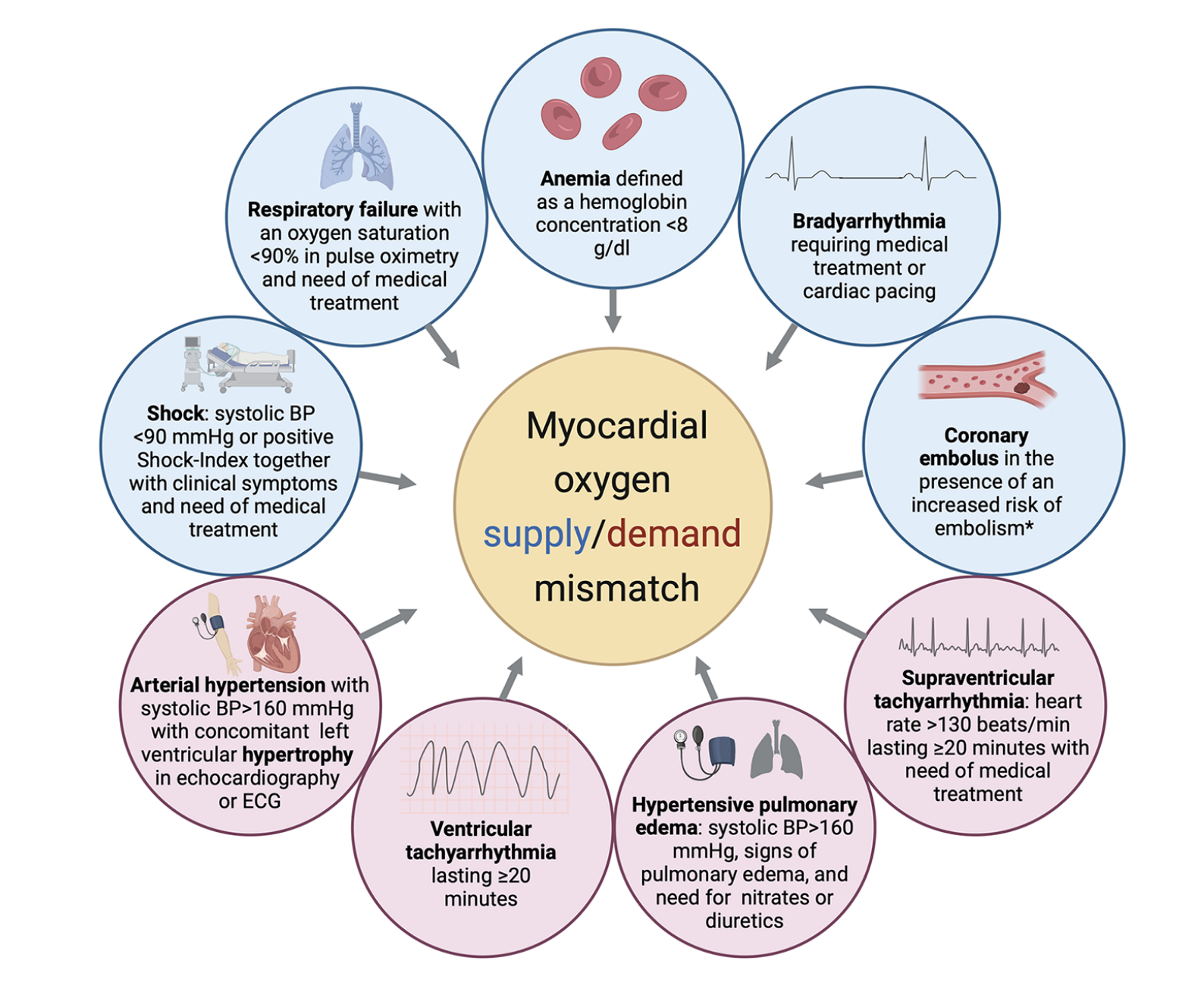
As part of her doctoral thesis, Dr. med. Sophie Böhme conducted an observational study examining conditions that trigger a mismatch between myocardial oxygen supply and demand in patients with stroke. These conditions were found to be highly prevalent among patients with acute myocardial injury after stroke, especially in those meeting the criteria for acute myocardial infarction (MI).
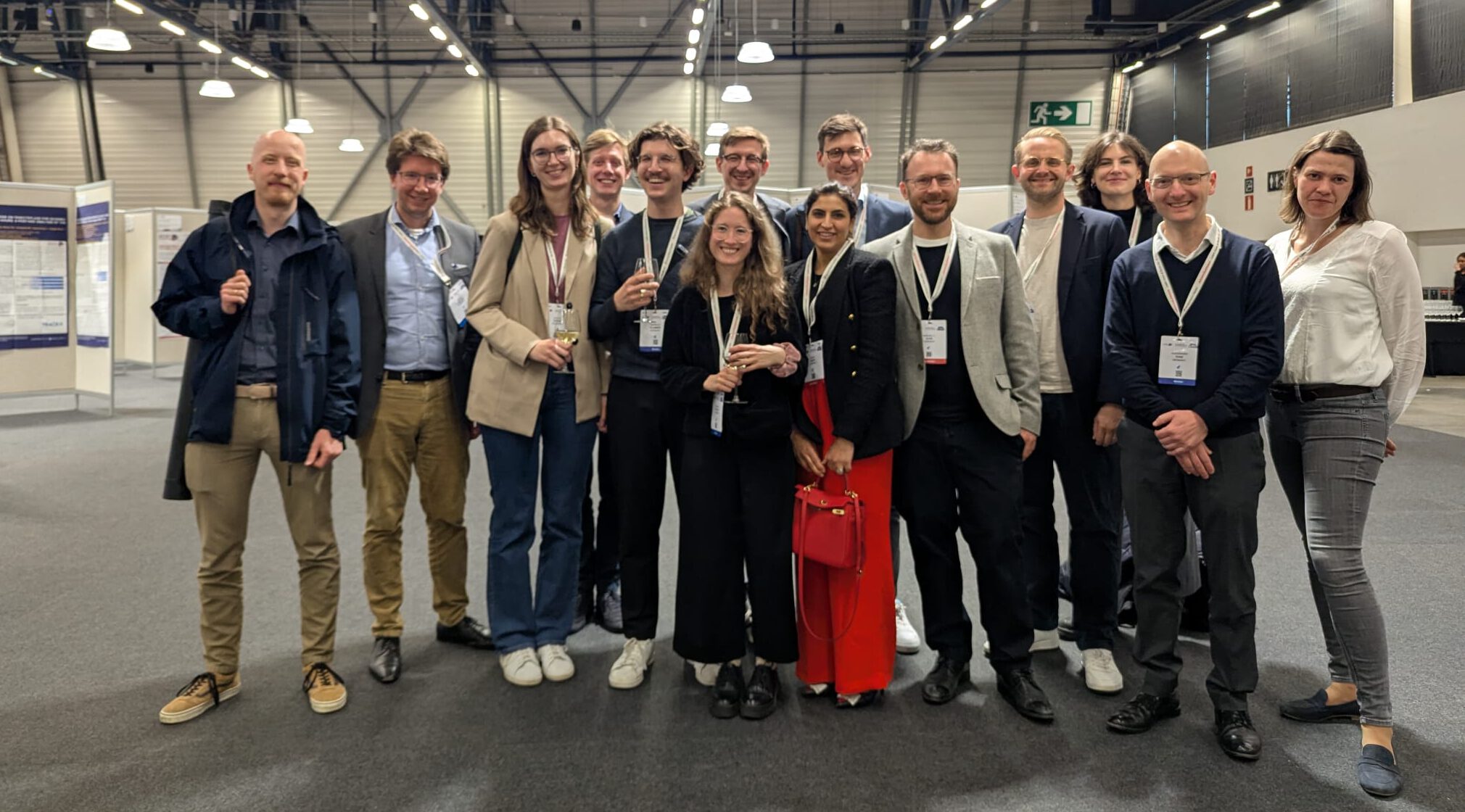
Our team was delighted to present new research at this year’s European Stroke Organization Conference (ESOC) in Helsinki. It was a wonderful opportunity to connect with colleagues, friends, and collaborators from around the world. A highlight of the meeting was Prof. Jan Scheitz’s presentation of preliminary results from our recently completed CORONA-IS trial — an exciting milestone for the lab.

Christmas Get together celebrating the many experiences and advances in 2024 - #brainheart research rules
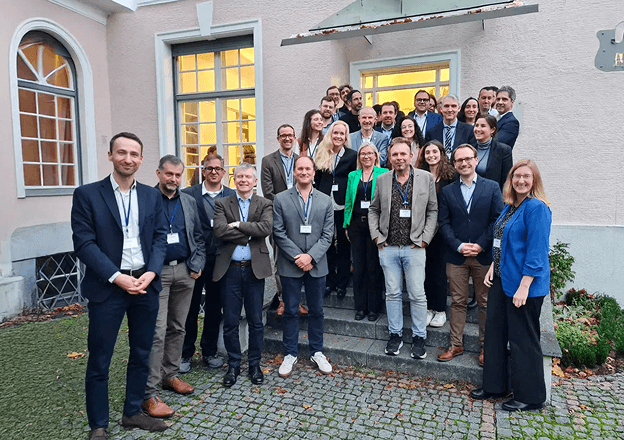
Dr. Helena Stengl presented preliminary data of the CORONA-IS study at the 1st inaugural Biostroke meeting in Munich. CORONA-IS protocol paper: https://pubmed.ncbi.nlm.nih.gov/33544087/
Together with leading scientists in the field we published a comprehensive overview on the different cardiac sequelae after stroke and other acute neurological disorders. We focus on different mechanisms and pathways involved in brain heart interaction and how they are affected in acute stroke. We provide a summary of the latest advances in the field of SHS research and pay particular attention to the role of inflammation.
#BrainHeart Lab Contribution to an International Consensus Statement about the prevention, diagnosis and treatment of acute brain injury caused by cardiovascular interventions – now published in Nature Reviews Cardiology.
#BrainHeartLab investigated the relationship between stroke lesion size and the incidence of new-onset atrial fibrillation (AF detected after stroke: AFDAS): larger stroke lesions were associated with a higher rate of AFDAS in this retrospective analysis – now published in the Journal of American Heart Association.
#BrainHeartLab in cooperation with Dr. Michela Rosso and Prof. Scott Kasner from University of Pennsylvania investigated the differences between women and men in the context of Stroke Heart Syndrome: women showed a higher risk of developing acute myocardial injury after stroke than men. Furthermore, acute myocardial injury was associated with higher in-hospital mortality and worse functional outcome in women.

